In short
- Matsumoto is a black flatland fortress.
- Himeji is a large white hilltop castle.
- Both feature original 16th-century wooden keeps.
In this article
Choosing between Matsumoto and Himeji depends on your route and what style of fortress you prefer. Both castles offer authentic wooden interiors, but their designs and locations are completely different.
What are the main differences between Matsumoto and Himeji?
Matsumoto is a flatland castle with black exterior siding, while Himeji is a hilltop castle known for its white walls.
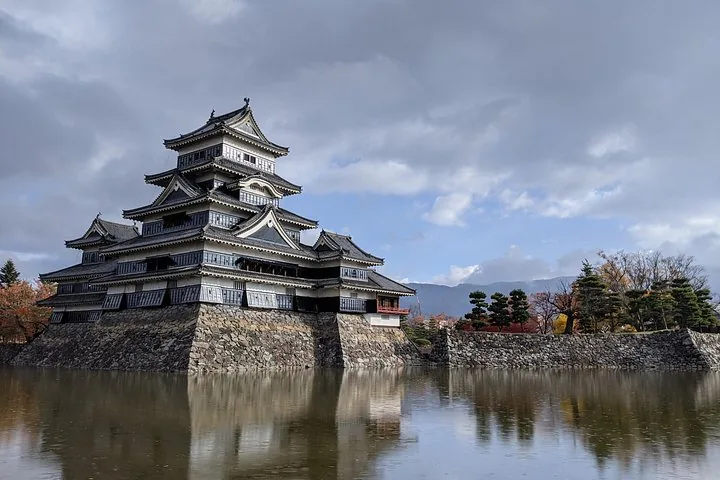
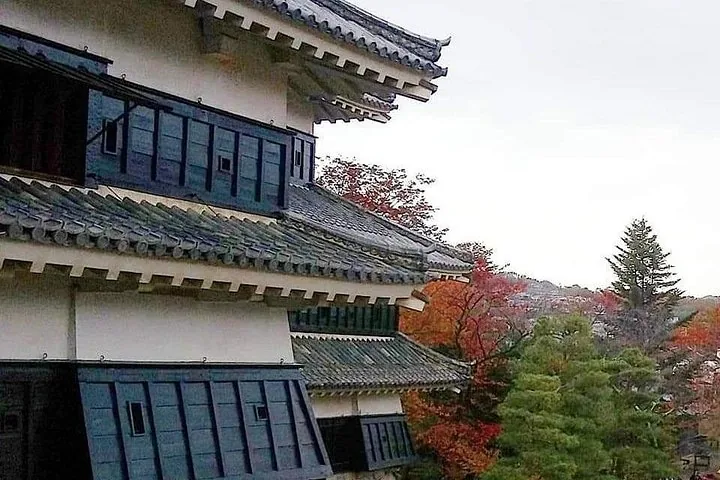
Matsumoto Castle sits on a plain at 590 meters above sea level. It uses a black-and-white design, earning it the nickname 'Crow Castle'. Himeji Castle sits on a hill and covers a much larger area. Its bright white exterior gives it the name 'Heron Castle'.
Is Matsumoto Castle easier to explore than Himeji Castle?
Matsumoto Castle involves shorter walking distances outside, but climbing the 140 steps inside remains difficult.
Because Matsumoto is a flatland fortress, the walk from the entrance gate to the main keep takes only a few minutes. Himeji's hilltop scale means a long, uphill walk before reaching the keep. Inside Matsumoto, visitors face narrow, 61-degree wooden stairs to reach the top of the 29.4-meter tower.
How much time do you need for each castle?
A standard tour of Matsumoto Castle's interior takes 45 to 60 minutes.
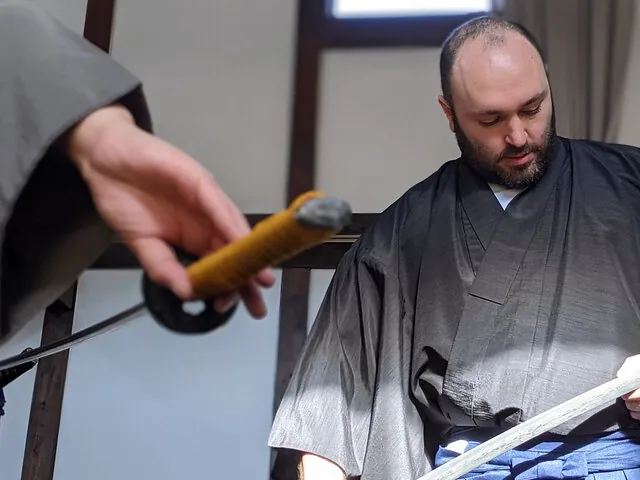
You can view the Matsumoto Castle keep and the Honmaru Garden in under two hours. Himeji Castle requires more time due to its massive scale and expansive grounds. Many visitors pair Matsumoto with a guided samurai experience in the surrounding town, which adds up to 3 hours.
Which castle has better mountain views?
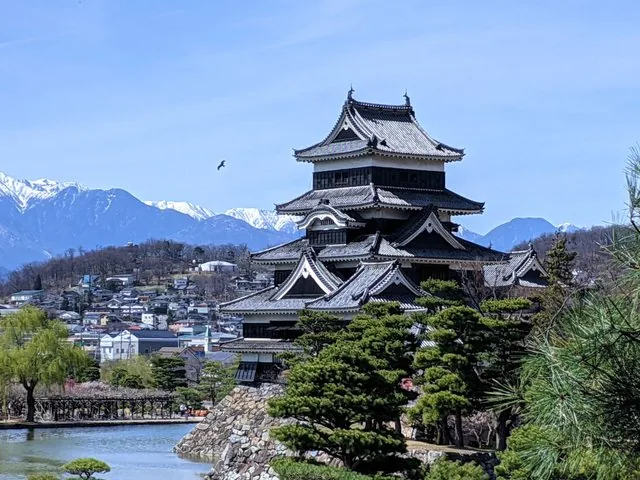
Matsumoto Castle offers distinct views of the Northern Japan Alps.
The flatland position of Matsumoto Castle creates a direct sightline to the mountains. The best visibility occurs in October and November. A triple moat surrounds the castle, providing reflections of the black keep and the mountains behind it.
How do Matsumoto Castle tickets work?
Matsumoto Castle charges 1,200 yen for a timed e-ticket or 1,300 yen for a same-day paper ticket.
Adult entry is required for the main keep and the Honmaru Garden. Children ages 6 to 15 pay 400 yen, and children under 5 enter for free.
Should you visit both Matsumoto Castle and Himeji Castle?
Yes, seeing both provides a complete picture of Japan's original 16th-century fortress designs.
The contrasting designs highlight different defensive strategies. You can reach Matsumoto Castle easily from Tokyo by taking the 2-hour-35-minute Limited Express Azusa train. Viewing the black Crow Castle and the white Heron Castle on the same trip shows the distinct variety of Japanese castle architecture.
Questions travellers ask
Why is Matsumoto Castle called the Crow Castle?
The nickname comes from its dramatic black exterior siding, which contrasts sharply with white hilltop castles like Himeji.
When was Matsumoto Castle built?
The castle was constructed between 1593 and 1594. It is the oldest surviving five-tiered, six-story keep in Japan.
Can I wear shoes inside Matsumoto Castle?
No. You must remove your shoes and carry them in a provided bag. The original wooden floors get cold, so pack thick socks.